
The person behind the casino
Who owns Duel?
Ossi “Monarch” Ketola is the man behind Duel. What interests me is how much of his personality ended up in the casino: the transparent games, the public arguments and the willingness to put himself in the middle of it.
When I first came across Duel, I knew the site before I knew much about the man. It was the clips, the strange guest appearances and the general chaos around the brand that got my attention. Then I actually used it. I played Mines, slots and football, withdrew my own money, noticed the 100% RTP on the house games and started looking at how the provably fair side worked. At that point I wanted to know who had built this thing, because it did not feel like another casino assembled from the same template.
The clips also raise a question worth separating from the founder’s story: whose money are casino streamers actually playing with? I looked at their own disclosures, because the size of a balance on screen cannot answer that.
Once I started reading about Monarch properly, a lot of Duel stopped looking random.
He is not just the founder. He is part of the product.
Most casino owners could vanish from their own websites tomorrow and hardly anybody playing there would notice. Monarch is almost the opposite. His personality is tied into Duel’s marketing, its public arguments about how casinos should work, the entertainment around the brand and even the way the product talks to players.
That is what makes him worth writing about. I am not particularly interested in doing a corporate profile of a gambling company. What interests me is that Duel feels like it came out of one person’s obsessions rather than a marketing department trying to imitate whatever worked at Stake last year.
The more I looked into Ketola, the clearer that became. The fixation on transparent results did not start with Duel. Neither did the habit of publicly attacking competitors he thought were behaving badly. Even the idea of making the founder part of the spectacle had been building for years before Duel existed.
That is visible in Monarch’s $20 million match with Patrik Antonius. The broadcasts are one part of the story; Duel’s deposit rankings and growth show how the business behind them has developed.
The interesting story starts with CSGOEmpire
I find CSGOEmpire more useful than a company-registration line for understanding Ketola. It was his earlier gambling business, built around the Counter-Strike skin economy.
CSGOEmpire’s own company history says Monarch started building it from his bedroom in 2015 with an €11,000 loan, a business partner and a couple of freelancers. He was around eighteen. Instead of cash and crypto, the business grew in the Counter-Strike skin economy, where digital weapon skins had real resale value and could effectively be used as gambling chips.
That world was chaotic. Skin gambling grew incredibly quickly, operators appeared everywhere and the whole sector had a reputation for murky odds, questionable promotion and businesses that could disappear as quickly as they arrived. CSGOEmpire managed to survive and grow through that period rather than becoming another forgotten skin site.
The part I find more relevant than the young-founder story is what CSGOEmpire chose to make part of its identity. Its own documentation talks heavily about fair and transparent gambling and says it pressured other Counter-Strike gambling sites to adopt transparent random number systems.
You can be cynical about that if you want. Ketola was also competing with those businesses, so calling out rivals was never completely detached from commercial self-interest. I do not think that makes the underlying idea meaningless, though. The important point is that transparent, checkable gambling was part of the pitch years before Duel arrived.
That is the bit that carried straight into Duel
I had already played Duel before I properly joined those dots. When I first opened Mines, I was not sitting there thinking about an old Counter-Strike casino. I just liked that the game showed 100% RTP and that there was a way to verify what happened after a round.
Looking into Monarch’s background made that feel less like a random product feature.
Duel’s house games use provably fair systems. The site commits to information before the round, reveals what is needed afterwards and gives you the inputs required to check that the finished result matches what was committed. I am not pretending I verify every Mines round I play, because I absolutely do not. The useful part is that I can.
That distinction matters to me. “Fair” is easy marketing copy. Giving the player the information needed to reproduce a result is something more concrete. Duel has pushed that idea much harder than most casinos I have used, and it fits the history of the person behind it almost too neatly.
The same goes for the 100% RTP on Duel’s own games. The thing that grabbed me was not a giant bonus headline. It was seeing house games where the advertised return was 100%. There is no traditional house edge sitting inside those games to be carved off every bet and partly returned later as a reward. That is a very unusual choice for a casino, but it makes more sense when you look at the arguments Ketola had already been making for years.

He does not do quiet disagreements
His public arguments are the part I find harder to admire. The feud with CSGORoll eventually went far beyond companies criticising each other online.
During the PGL Major in Copenhagen in 2024, people rushed the stage during G2 against MOUZ. The match was interrupted, the trophy was damaged and police removed people from the arena. Reporting at the time connected the stunt to CSGOEmpire’s campaign against CSGORoll, which sponsored G2, and Monarch publicly took responsibility for organising it. CSGOEmpire later apologised and said it would not disrupt Valve competitions again.
I do not think there is much point trying to dress that up as clever marketing. It went too far.
I also do not think one stupid incident is the entire story of a person who has spent a decade building gambling businesses. What it does tell you is that Ketola has never been especially interested in keeping disputes private. When he thinks another operator is doing something wrong, his instinct seems to be to make it public and make it loud.
That can produce useful scrutiny. It can also produce a complete circus.
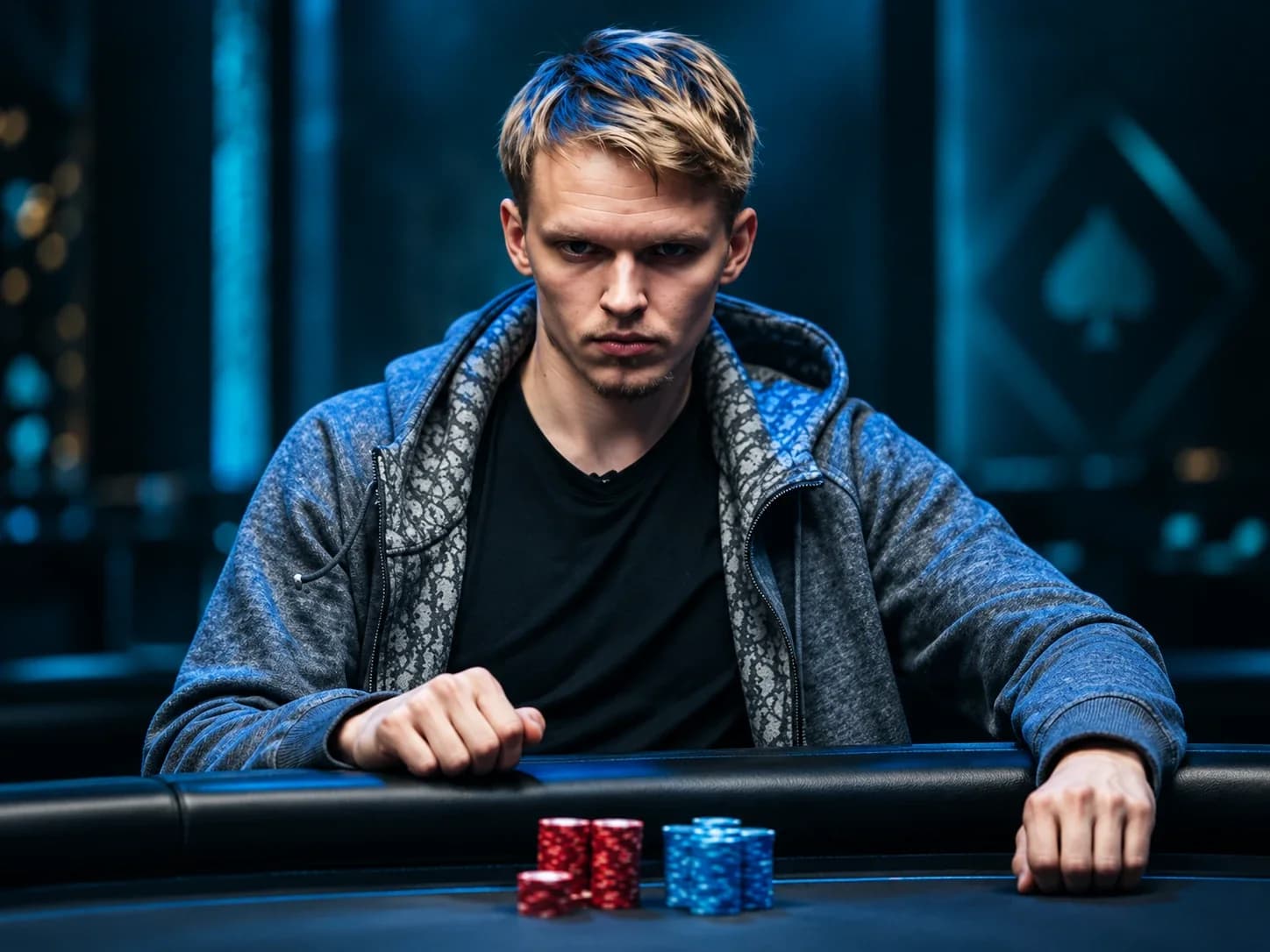
Coffeezilla made the moral-crusader story harder to sell
I could write a neat story about a young founder entering a shady industry and eventually building the casino that fixes everything he hated. The Coffeezilla investigation is one reason I don’t buy that version.
In 2024, Coffeezilla investigated the Counter-Strike gambling world and reported that CSGOEmpire had offered him $20,000 to investigate CSGORoll. Coffeezilla did not take the assignment as pitched. Instead, the approach became part of his own investigation into the industry and CSGOEmpire’s tactics.
I think that matters because it stops this turning into founder worship. Ketola clearly has a long-running interest in transparent gambling systems, but he also had an obvious commercial interest in damaging competitors. Those two things can exist at the same time.
That is basically how I approach anything he says about a rival casino now. It can be worth looking into, but I am not treating it as evidence just because Monarch said it.
“Those two things can exist at the same time.”
Then he turned himself into part of the marketing
If you only know Monarch from the last couple of years, there is a good chance you know him from poker.
The numbers involved became ridiculous enough that clips of his heads-up games travelled far outside the normal poker audience. That put his face in front of people who had never heard of CSGOEmpire and probably did not care about skin gambling. Duel benefited from all of that attention at exactly the same time.
This is where I think Ketola is genuinely different from most casino founders. He is willing to become part of the content himself. He gives long interviews, plays enormous public poker games, appears around Duel’s entertainment and has even stepped into the casino content directly. The founder and the marketing are unusually tangled together.
A long interview released in September 2026 spends more than two hours going through his childhood, business career, poker, Duel, work ethic, wealth and business philosophy. You do not have to agree with him on everything to see how deliberate the public persona has become.
That is also why the stranger side of Duel’s marketing makes more sense to me now. The brand is happy to be chaotic because the man behind it seems comfortable with chaos. Most casino advertising is polished until there is nothing human left in it. Duel often looks like somebody had an idea at 2 a.m. and decided to actually do it.
Sometimes that is brilliant. Sometimes it is ridiculous. It is rarely forgettable.
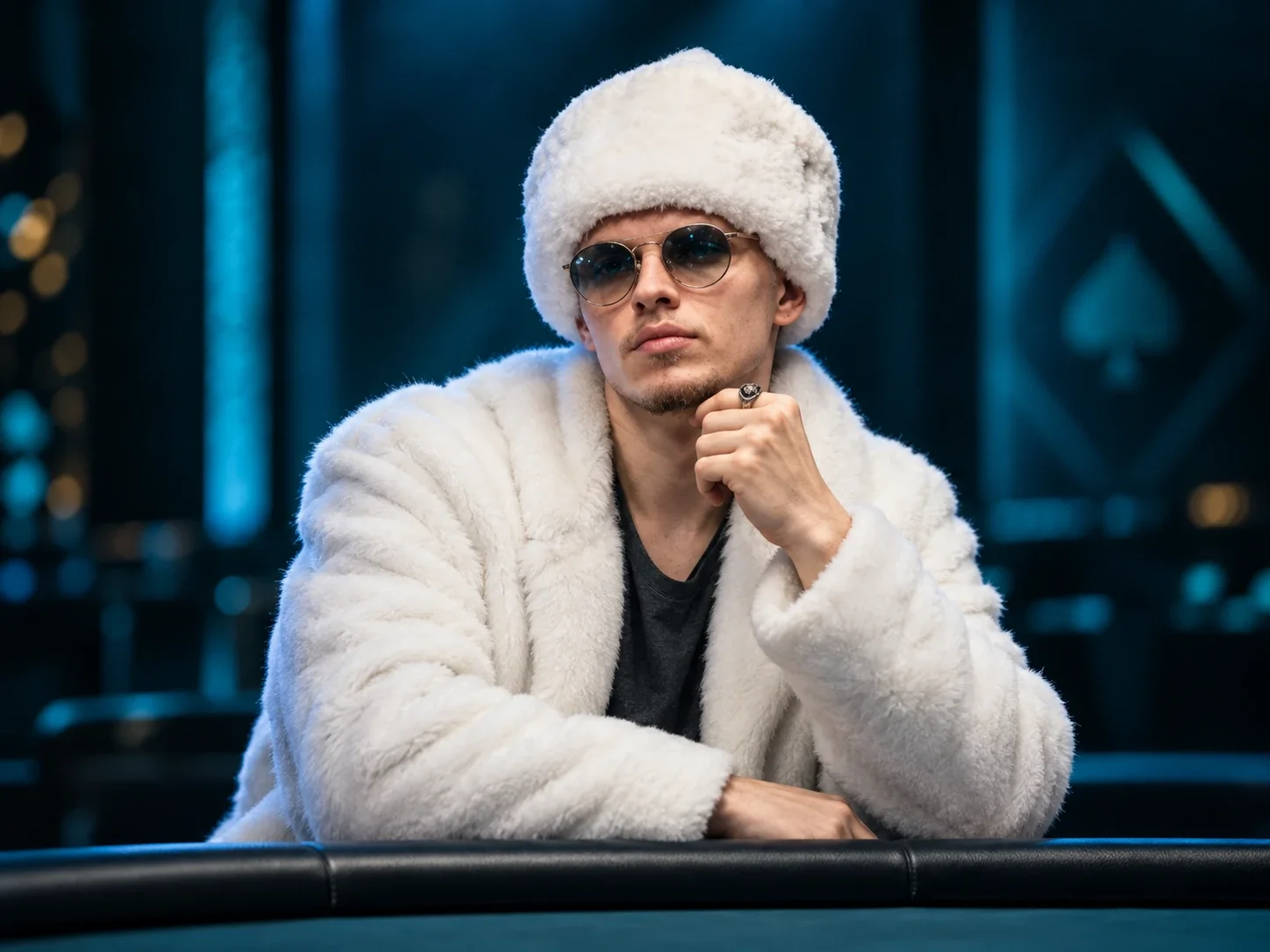
Duel makes a lot more sense once you know his history
This was the useful part of researching him for me. Before I knew the backstory, Duel had a collection of features I liked but they did not necessarily feel connected. The 100% RTP Originals, the provably fair documentation, the aggressive anti-bonus messaging, the founder-heavy marketing and the constant willingness to take shots at the rest of the industry all felt like separate choices.
They are not really separate.
There is a fairly obvious line running from CSGOEmpire into Duel. Ketola built in an industry where players constantly questioned whether the wheel itself could be trusted. He spent years talking about transparent outcomes and fighting with competitors. Then he built a conventional crypto casino where the house games can be checked, the edge is shown to the player and the brand still talks like it has something to prove.
That does not automatically make Duel good. It does make Duel coherent.
That is why I read Duel as the product of arguments Ketola has been having for years. The public personality and the product decisions make more sense together, even when I disagree with his tactics.
“That does not automatically make Duel good. It does make Duel coherent.”
What I care about more than the founder story
There is a limit to how much any of this should matter when you are deciding whether to put money on a gambling site.
I would never tell somebody to trust Duel because Monarch is interesting, rich, famous or willing to play absurd poker games in public. None of those things get your withdrawal into your wallet.
What matters to me is where the story lines up with things I can actually test.
I have put my own money into Duel. I have used the casino and sportsbook. I have played the house games. I have withdrawn back to my own wallet and kept the receipts. I can see the RTP displayed on the Originals and I can take a finished game result and check the provably fair process for myself.
That is why researching Ketola changed how I understood Duel without changing the standard I use to judge it. His history explains why the product looks the way it does. My own experience is what tells me whether the product actually works.
My read on Ossi “Monarch” Ketola
The more I looked into Ossi Ketola, the less Duel felt like a random crypto casino that happened to arrive with good marketing.
There is a clear thread through the whole story. A teenager starts building in skin gambling, survives a messy industry, becomes obsessed with transparent results, spends years fighting other operators, sometimes pushes those fights much further than I would, discovers that his own personality can generate enormous attention and eventually launches a casino that carries all of that into one product.
I do not think you need to turn him into either the hero or the villain of the gambling industry for the story to be interesting. Both versions are too simple.
What interests me is that Duel looks exactly like the sort of casino you would expect this particular person to build. The best parts are the parts that still work even if you ignore Monarch completely. The games can be checked. The RTP is visible. The money I withdrew reached my wallet. Those are useful facts.
Knowing who built it just makes the rest of Duel much easier to understand.
Who owns Duel? Quick answers
Who is behind Duel.com?
Ossi “Monarch” Ketola is Duel’s founder and its most visible public figure. Duel’s own terms name Immortal Snail LLC as the company operating the site.
Does Ossi Ketola personally own all of Duel?
I have not found public corporate records that establish his exact personal shareholding, so I would not put a percentage on it. He is publicly identified as the founder and the man behind the brand.
What did Monarch do before Duel?
He built CSGOEmpire, a Counter-Strike skin gambling business that he says began in 2015 with an €11,000 loan, a business partner and a small group of freelancers.
Why does provably fair gambling keep coming up with Monarch?
CSGOEmpire made transparent random-number systems part of its public identity and says it pressured other skin-gambling sites to adopt them. Duel carries the same idea into its own games, where finished rounds can be independently checked.
What happened at the Copenhagen Major?
In March 2024, people rushed the stage during the PGL Major amid CSGOEmpire’s public feud with CSGORoll. Monarch publicly took responsibility for organising the stunt. CSGOEmpire later apologised and promised not to disrupt Valve competitions again.
Does knowing the owner make Duel trustworthy?
Not by itself. I care far more about things I can verify directly, including withdrawals, displayed RTP and provably fair game results. Monarch’s history explains the product. It does not replace testing the product.